Brazil Sugarcane Ethanol vs US Corn Ethanol: The Real Commodity Divide
Why the difference between sugarcane ethanol and corn ethanol is reshaping global sugar, grain, and energy markets.
By Alessio Bernasconi
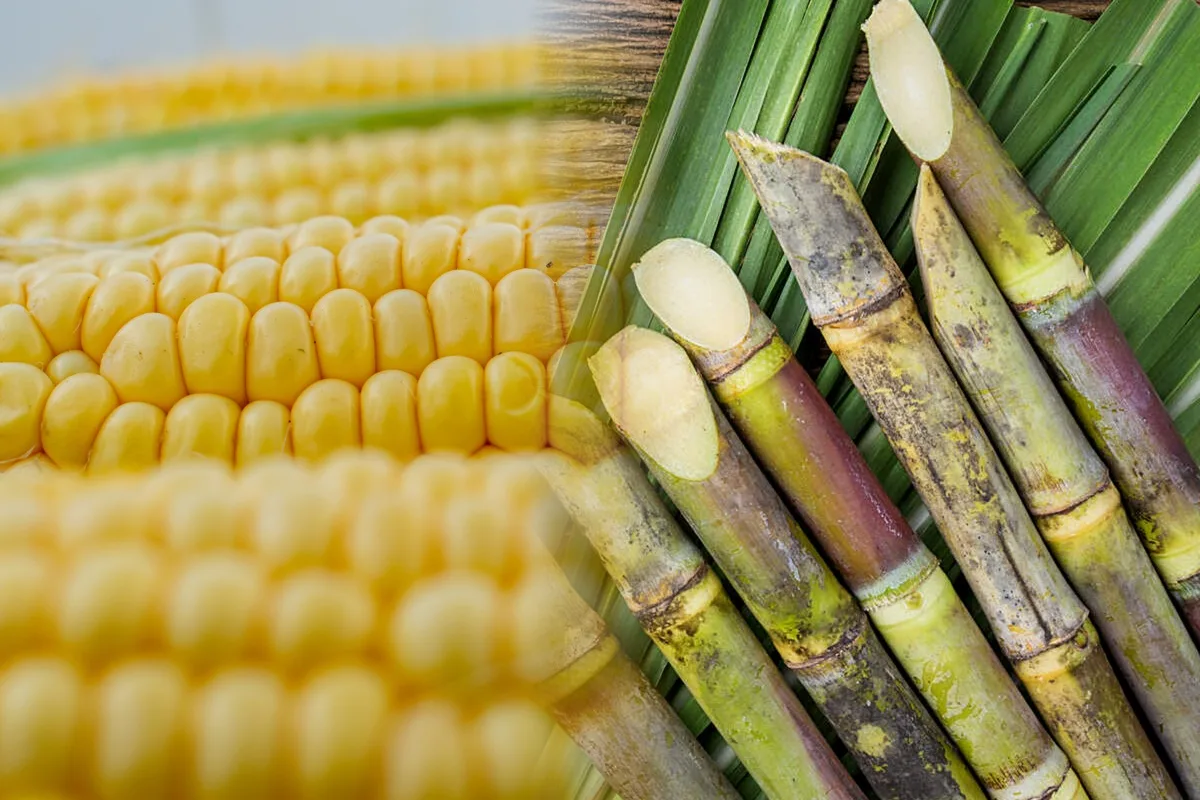
In 2026, the global sugar market is no longer driven purely by harvests, weather, or consumption trends. It increasingly behaves like an extension of the energy complex, because sugar is now deeply embedded in fuel markets through ethanol, especially in Brazil. Understanding it today means moving beyond its traditional role as a food commodity. Sugar has become a swing commodity between calories and carbon.
The Hidden Link: Ethanol as the Transmission Mechanism
At the center of this transformation is ethanol, though its structure differs significantly across regions.
In the United States, ethanol is produced from corn. Roughly 40% of U.S. corn production is directed toward fuel, creating a strong demand base that supports corn prices. The transmission is indirect but far-reaching: higher oil prices increase ethanol demand, lifting corn prices and feeding into livestock, dairy, and broader food inflation. Crucially, corn ethanol also generates distillers' grains (DDGS) as a co-product, which partially offset demand pressure by re-entering the feed supply chain.
Brazil operates differently. Ethanol there is produced from sugarcane, a crop that can be processed into either sugar or fuel. Mills retain the flexibility to switch between outputs depending on relative prices, creating a direct link between energy markets and sugar supply. In the U.S., ethanol influences grains broadly. In Brazil, it directly determines how much sugar reaches global markets.
Brazil's Flex System: The Market's Control Lever
Brazil is the dominant exporter and marginal price setter in the global sugar market. Its flex mills function as a dynamic allocation system, continuously deciding whether cane should go toward ethanol or sugar.
In 2026, this system has gained new weight. Higher ethanol blending, reaching E30 in gasoline, has structurally increased domestic fuel demand. Brazil's carbon credit framework adds an additional layer of economic incentive. When fuel economics improve, mills shift output toward ethanol, reducing sugar available for export and tightening global supply.
But Brazil's ethanol story is also quietly shifting. According to industry veteran Christoph Berg in a recent Commodity Conversations interview, most incremental ethanol growth in Brazil now comes from corn rather than sugarcane, a trend he expects to continue. Sugarcane yields have stagnated for roughly 20 years, largely due to weather dependence and limited investment in new varieties, while corn benefits from ongoing genetic improvements and the ability to be double-cropped alongside soybeans. Some Brazilian mills are already running as flex operations, processing corn during the cane off-season to extend their production calendar from around 200 days to over 300. This gradual encroachment of corn into Brazil's ethanol mix has real implications for how much sugarcane ends up as sugar versus fuel going forward.
Why Sugar Reacts Faster Than Corn
Both corn and sugar are tied to ethanol, but their price dynamics differ. Corn markets carry buffers: DDGS can be redirected into animal feed, and planting decisions can expand supply relatively quickly. Sugar lacks these stabilizers. The trade-off between sugar and ethanol is binary, with no meaningful co-product feeding back into the food system. Sugarcane is also constrained by longer growing cycles and geographic limitations.
The result is a more reactive market. Sugar prices respond faster and more sharply to energy economics than corn does.
A Structurally Tighter Market
Several forces are reinforcing the linkage between sugar and energy: higher ethanol blending mandates locking in sustained fuel demand, carbon pricing mechanisms improving ethanol margins over sugar, and limited supply elasticity constraining production growth.
These factors mean incremental sugar supply is increasingly determined by fuel economics. Weather and crop cycles still matter, but they now interact with a stronger and more immediate energy signal. And with corn steadily gaining ground as a feedstock, the long-term flexibility of Brazil's sugarcane-based system may be more constrained than it appears today.
Final Thought
The marginal price of sugar is no longer determined solely by agricultural fundamentals. It is shaped at the intersection of energy markets, fuel policy, carbon economics, and an evolving feedstock competition it did not face a decade ago.
Sugar remains a food commodity. But its pricing mechanism now reflects a continuous trade-off between feeding populations and fueling economies, one that corn is increasingly playing a role in deciding.