Crowded Trades in Commodities: How Alternative Data Breaks the Herd
Why crowded trades in commodity markets are getting worse, and how physical price data sourced directly from brokers creates a structural edge.
By Alessio Bernasconi
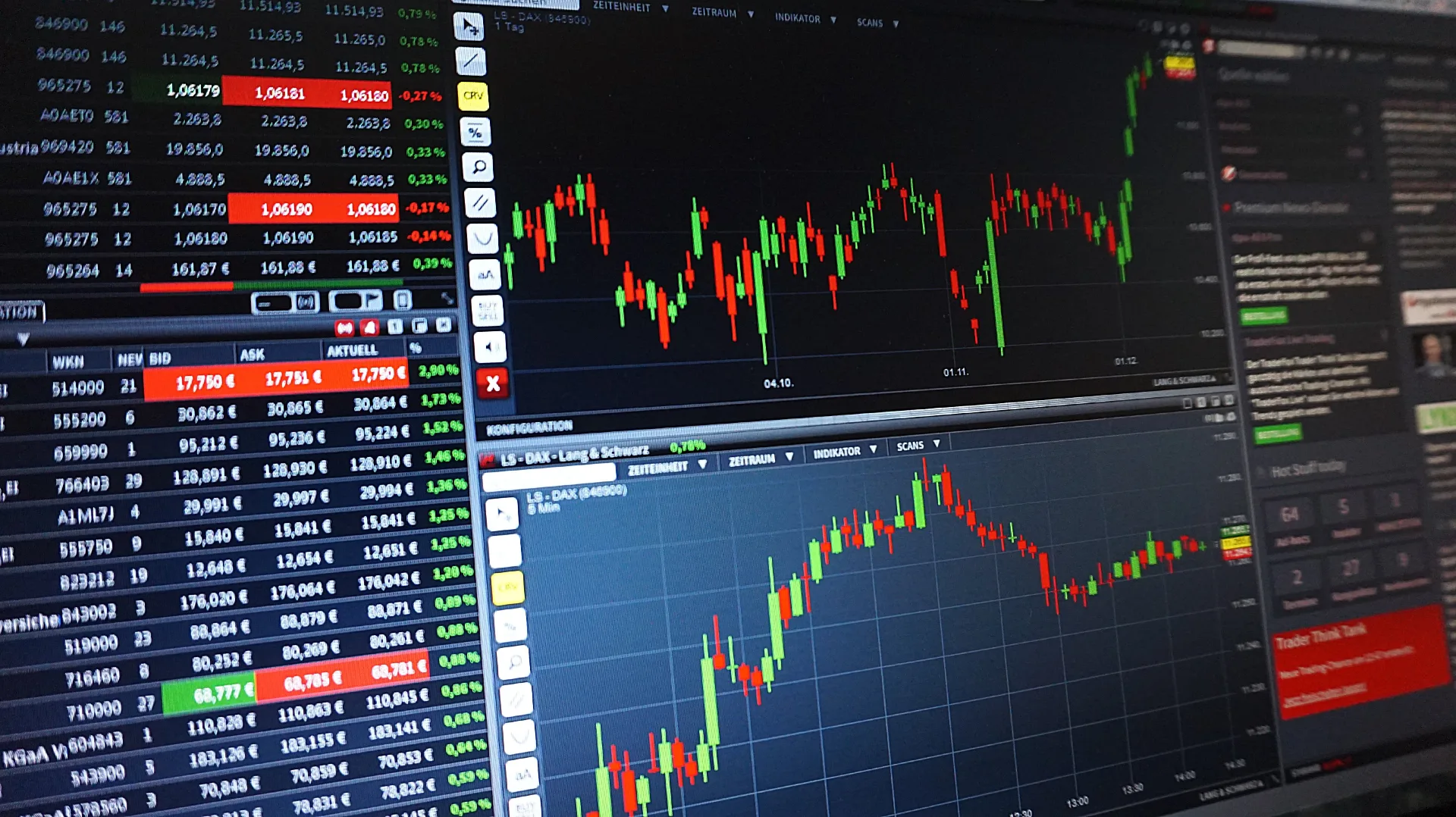
Crowded trades are not the result of coordination. They are the result of convergence: too many market participants pursuing the same strategy relative to what the available liquidity can absorb. The risk this creates is endogenous. It does not arise from the commodity's fundamentals, but from the market structure itself. No individual trader knows how many others hold the same position, what their leverage looks like, or what might force them to exit. That informational gap is where the danger sits.
What Alternative Data Actually Means for Physical Commodities
The growth of commodities alternative data as a category reflects a real problem: the data most participants rely on is the same data everyone else has. Crowded data, in this sense, is not a metaphor. It is the condition that results when a market's positioning is driven by a handful of shared inputs. The signal does not decay because it stops working. It decays because too many participants are acting on it simultaneously.
The relevant question is therefore not whether to use alternative data. It is which commodities data has a direct causal relationship to physical supply or demand (and which is noise dressed up as signal).
For physical commodities, the data that matters is physically proximate to the underlying asset. The most direct form is price data sourced from the physical market itself, not derived from futures screens, not aggregated from third-party feeds, but collected daily from the brokerage desks where actual cargoes are traded. That data exists before it reaches any terminal. It reflects what buyers and sellers are actually doing, not what a model says they should be doing.
The Structure of the Edge
The value of alternative data in commodities is not primarily about speed. It is about being outside the information cascade that the rest of the market is inside. When you hold daily physical prices sourced directly from brokerage desks (covering FOB Brazil, FOB India, FOB Thailand) you are not reading a derived or lagged version of the market. You are reading the market. The herd's reaction to the next official release becomes something you can position around, not an exposure you have to manage.
That edge does not decay the moment a competitor subscribes to the same data service. Brokerage-sourced physical prices reflect relationships and market access that cannot be replicated by aggregating third-party feeds. The signal is proprietary because the source is proprietary. And it covers the markets where crowded trades are most acute and official commodities data most lagged: sugar, coffee, grains and oilseeds, the physical commodity markets where Deepcore's desks operate daily. For more on why data quality matters in commodity trading, see Data Quality in Commodity Trading: When the Best Models Are Not Enough.