El Niño and the Strait of Hormuz: Two Shocks, One Fragile Market
Climate risk and geopolitical disruption are colliding in 2026, creating a powerful new threat to global commodity markets.
By Alessio Bernasconi
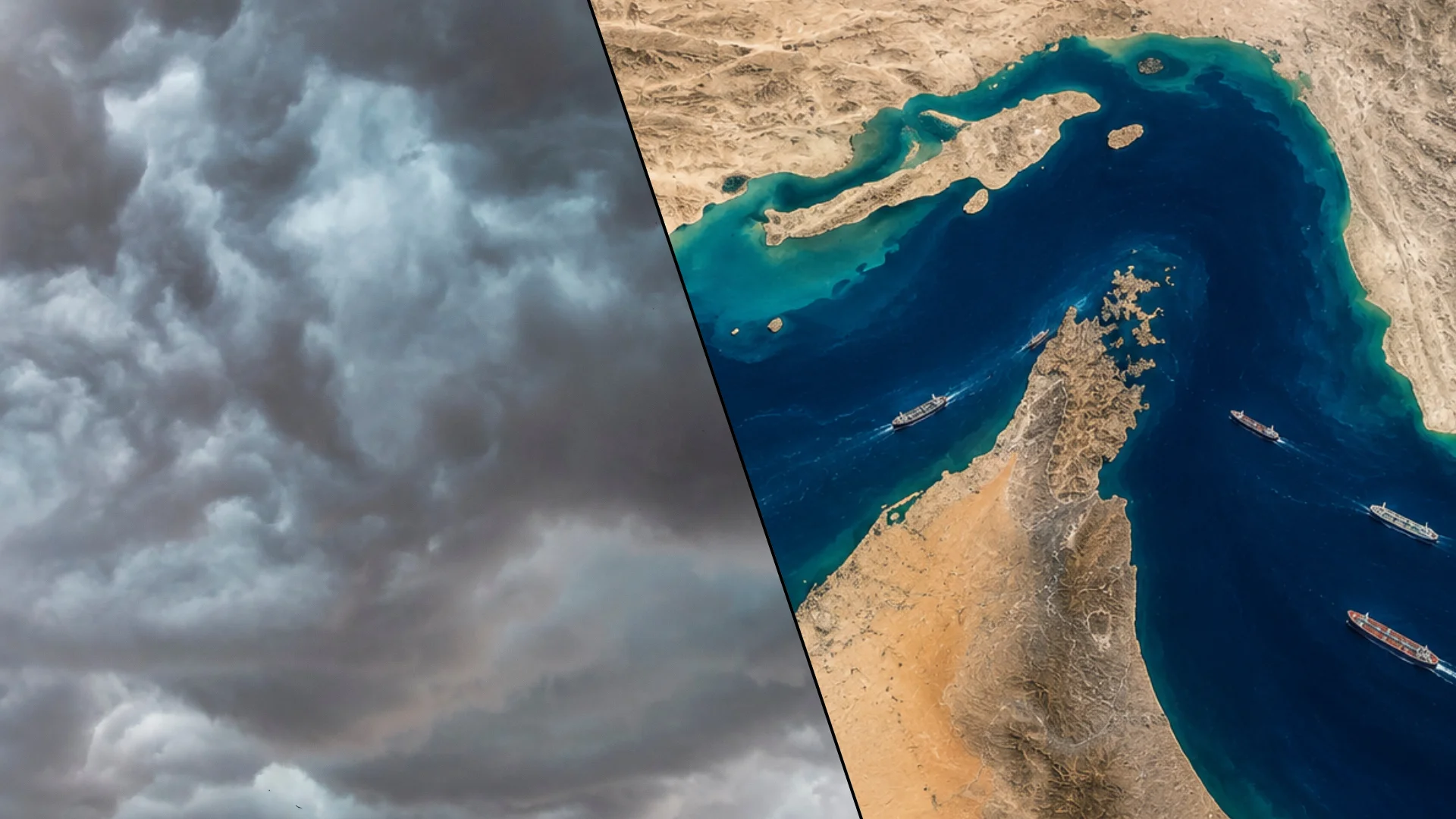
Two crises are converging in 2026, and the commodity markets sitting at their intersection have very little room to absorb either.
A strengthening El Niño and escalating conflict around the Strait of Hormuz are arriving at the same time, hitting a supply chain with limited buffers and fewer alternatives than most traders are pricing in. For sugar, coffee, grains and oilseeds, the four commodity groups at the core of what we track at The Deepcore, understanding the interaction between these two shocks is now as important as understanding any individual market.
Why This Combination Is Different
El Niño and geopolitical disruption have each driven commodity volatility before. What makes 2026 distinct is the compounding effect: El Niño development probability now rises toward 80%, with persistence probability exceeding 90%, while Hormuz blockages are restricting the flow of urea and phosphorus fertilisers, the inputs that underpin yields across virtually every crop complex. Container rates are already running 40% above pre-crisis levels.
Research tracking 67 commodities finds that when climate shocks and supply disruptions collide, price swings grow larger and last longer, with agricultural goods showing a 6 to 12 month lag before the full effect appears. That lag means the pressure already building today will surface in prices well into 2027.
Grains: Tighter Before the Season Begins
India is facing its first below-average monsoon in three years. Australia's wheat exports are under drought pressure. Thailand and Vietnam, the world's second and third largest rice exporters, are reporting below-normal rainfall, raising food security concerns across high-importing nations in Asia.
The Hormuz dimension makes every one of those figures worse. Disrupted fertiliser flows hit yield potential before a seed goes in the ground. The grain complex enters this season with inputs constrained, weather uncertain, and price effects that, historically, are still months away from fully materialising.
Oilseeds: The One Upside, With a Catch
El Niño historically improves soybean yields in the Americas by 2 to 5%, making oilseeds the one commodity group with a credible positive signal in this environment — but the upside is complicated. Brazil has strong incentives to redirect soybean output toward domestic biofuels as Hormuz-driven fuel disruptions raise the value of domestic energy feedstocks. The country is targeting a 20% biofuel blend in diesel, and high bunker fuel prices are already constraining export flows. The yield gain may exist, but whether it reaches the export market is a different question.
Sugar: A Surplus Too Thin to Trust
The 2026/27 global sugar balance shows a projected surplus of 1.4 million tonnes. On paper, that sounds like a cushion, but in practice it is not. Centre-South Brazil, the world's largest cane producing region, is the swing factor, and a modest El Niño disruption to that harvest erases the surplus entirely.
India and Thailand carry a longer-burning risk. Poor monsoon performance typically damages ratoon cane development and delays replanting, with the production impact surfacing a full season later in 2027/28. Thailand is already under pressure from below-normal rainfall and White Cane Leaf Disease, and previous El Niño-linked years have produced global production losses exceeding 5 million tonnes. This market cannot absorb anything close to that figure. The surplus is real, but the margin for error is not.
We covered the fragility of this balance in more detail in Global Sugar Production 2026/27 Overview and the India policy dimension in Sugar Export Policy in India.
The Fertiliser Variable No One Is Watching Closely Enough
Across all four commodity groups, the Hormuz fertiliser story is the connective tissue. Corn absorbs roughly 20% of global nitrogenous fertiliser demand, the largest share of any crop. Brazil imports approximately 85% of its fertiliser needs, making South American spring planting from September onward the most acutely exposed window in the calendar. If disruptions persist into Q3 and Q4, physical shortages, not just cost pressure, begin to appear across the Southern Hemisphere crop cycle.
The ethanol angle adds another layer. With fuel import costs rising, Brazilian millers face a direct choice between sugar and ethanol allocation, a dynamic explored in Brazil Sugarcane Ethanol vs US Corn Ethanol.
What This Means for Commodity Markets
63% of commodities studied face greater price volatility as ENSO intensifies under climate change, and Hormuz amplifies every move. For sugar, coffee, grains and oilseeds, the interaction between these two shocks will define the risk landscape through at least the first half of 2027. Traders and risk managers watching only one of these variables are missing half the picture. The weather forecast and the Hormuz corridor are now telling the same story.